Owning a boat is one of the great pleasures of life — until you have to figure out where to put it when the season ends. Leaving it in your driveway is an option, but it’s not always practical, and depending on your neighborhood, it may not even be allowed. That’s why more boat owners are turning to dedicated secure indoor boat storage facilities that are built specifically to keep vessels safe, dry, and in good shape until you’re ready to get back on the water.
The right storage setup isn’t just about parking your boat somewhere dry. It’s about keeping all the systems—the engine, the hull, the electrical components, and the upholstery—protected from the kind of slow damage that builds up over months of sitting without proper care. Sun exposure, moisture, pests, and temperature swings are all real threats to a boat that’s been left without a proper plan.
Preparing Your Boat Before It Goes Into Storage
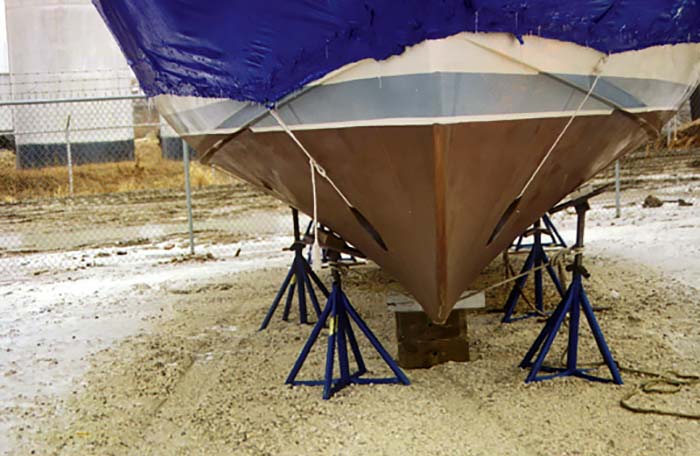
Before you hand your boat over to any facility or roll it into a covered spot, there are several steps worth taking to make sure it comes out in the same condition it went in. A good resource for this is BoatUS, which covers topics like what to look for in seasonal boat storage including how to properly support the hull, protect the engine, and check all key systems before the off-season begins.
At a minimum, you’ll want to drain and flush the engine to prevent any residual water from freezing or causing corrosion, remove any food, cushions, and electronics that could attract pests or get damaged, and cover the boat with a well-fitted cover that allows airflow without letting in debris. If you’re storing it indoors or in a climate-controlled facility, many of those concerns are already managed for you, which is a big part of why those options tend to be worth the extra cost.
Indoor vs. Outdoor Storage: Which One Is Right for You?
Outdoor storage tends to be more affordable, and for boats that are well-covered and maintained, it can work fine. But if you’re storing a high-value vessel or one with a lot of sensitive electronics and upholstery, indoor storage offers a level of protection that’s hard to match. You’re not just paying for a parking spot; you’re paying for peace of mind through months of weather you can’t control.
Climate-controlled indoor facilities keep temperatures steady, which matters especially for fiberglass, wood components, and any seals or gaskets that can crack in extreme cold or heat. If you’ve ever come back to a boat in the spring and found cracked upholstery or a seized engine, you already know the value of getting this right the first time.
What to Look for in a Boat Storage Facility
Security, accessibility, and size are the three things to evaluate before committing to any facility. Make sure the space is wide enough to accommodate your trailer, that there’s enough overhead clearance if you’re going indoors, and that staff or camera systems are monitoring the property around the clock. It’s also worth confirming whether the facility allows you to perform minor maintenance on-site; some do, which is a real bonus if you like staying on top of your boat’s condition year-round.
Choosing the right storage for your boat is one of the best investments you’ll make as an owner. When spring rolls around and your boat is clean, dry, and ready to launch, you’ll appreciate every dollar you spent storing it the right way.