Metal components inside heater elements transform electrical energy into controlled thermal output through carefully engineered resistance. Knowledge of this relationship helps engineers design strip heaters and other industrial heater equipment that operate safely while producing consistent temperatures.
Resistance Wire Converts Electrical Current into Steady Heat
Electric current moving through resistance wire encounters natural opposition from the metal atoms within the conductor. That opposition slows the flow of electrons, and the lost electrical energy appears as thermal energy along the wire surface. Heater elements use this principle to transform electricity into reliable warmth.
Engineered resistance wire runs through many types of strip heaters to deliver stable performance during operation. Carefully selected alloys ensure the wire withstands repeated heating cycles without breaking down. Proper electrical resistance allows the industrial heater to maintain a steady temperature while converting power efficiently.
Higher Resistance Materials Produce Stronger Heating Output
Material composition strongly influences how much heat a wire can generate under electrical load. Certain alloys resist the flow of electricity more strongly than ordinary metals, which increases the amount of energy converted into heat. Manufacturers select resistance alloys that maintain consistent properties even at high temperatures. Materials such as nickel chromium blends often appear in heater elements because they provide both durability and strong thermal output. Carefully engineered strip heaters rely on these alloys to produce dependable heating across many industrial processes.
Wire Thickness Affects How Much Heat the Element Creates
Wire diameter plays an important role in determining resistance levels within heating components. Thinner wires typically offer greater electrical resistance than thicker wires of the same material, which can increase heat generation when current passes through the element. Design engineers calculate the appropriate thickness for heater elements based on voltage, power requirements, and operating temperature. Balanced wire dimensions allow strip heaters to produce the correct amount of heat without exceeding safe electrical limits. This attention to detail helps maintain long term stability inside an industrial heater assembly.
Coil Length Helps Control Resistance Within the Heater
Wire length also influences the amount of resistance present within a heating circuit. Longer coils provide greater resistance because electricity travels through more conductive material before completing the circuit.
Engineers often adjust coil length inside strip heaters to achieve specific heating outputs. Extended wire paths increase resistance and therefore raise the heat produced by the element. Properly designed heater elements use carefully calculated coil lengths to deliver predictable temperature levels.
Heat Builds As Electricity Meets Resistance in the Metal
Metal resistance causes electrical energy to convert directly into thermal energy during operation. As electrons move through the wire, interactions with metal atoms generate friction-like energy that raises the temperature of the element.
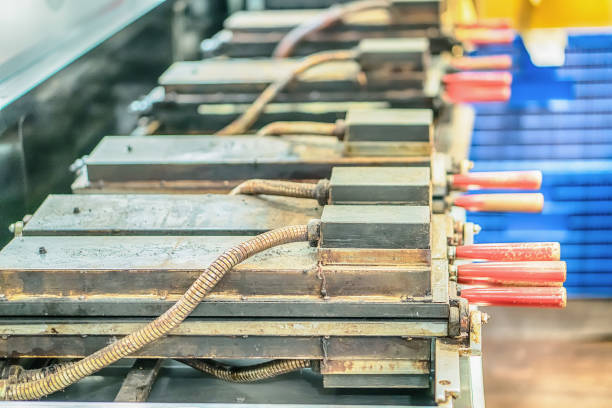
Thermal output spreads across the surface of the heater elements and transfers into surrounding materials or air. Many industrial heater systems rely on this direct conversion process because it produces heat quickly and efficiently. Strip heaters often mount onto metal surfaces to deliver this energy exactly where it is needed.
Alloy Blends Help Maintain Stable Resistance During Use
Temperature changes can alter the resistance characteristics of certain metals. Pure materials may expand or lose stability as temperatures rise, which can affect heating performance.
Alloy blends used in heater elements solve this issue by maintaining predictable resistance even under intense heat. Nickel chromium combinations remain stable during long operating cycles. These specialized alloys allow strip heaters to perform consistently inside demanding industrial heater environments.
Resistance Stays Steady to Keep Heat Levels Predictable
Stable resistance ensures that heating output remains consistent throughout the life of the element. If resistance fluctuates significantly, temperature levels may rise or fall unexpectedly.
Electrical design focuses on selecting materials and wire configurations that maintain steady resistance over time. Reliable heater elements allow industrial heater systems to operate with precise temperature control. Consistency remains essential in manufacturing environments where uniform heating directly affects product quality.
Proper Resistance Prevents Overheating Inside the Heater
Incorrect resistance levels may cause heater elements to draw too much current from the electrical supply. Excess current increases temperature beyond the intended design limits and can shorten equipment life.
Engineers design strip heaters with carefully balanced resistance values that match the voltage and power requirements of the system. Controlled electrical flow prevents overheating and protects surrounding components. Safe electrical design keeps an industrial heater operating within recommended temperature ranges.
Balanced Resistance Allows Safe Long Running Operation
Continuous heating applications require elements that can operate for extended periods without failure. Balanced resistance distributes electrical energy evenly across the wire so no single section overheats.
Thermal stability allows heater elements to function during long production cycles common in industrial settings. Strip heaters used in ovens, molds, and machinery depend on this stability to maintain consistent temperatures. Reliable resistance design supports dependable operation throughout the lifespan of an industrial heater. Specialized heating equipment often depends on carefully engineered resistance systems for reliable performance. Thermal Corporation designs and manufactures strip heaters and heater elements used in demanding industrial heater applications. Their engineering expertise focuses on producing durable components that deliver stable heating under continuous operation. Facilities requiring dependable heating equipment often rely on experienced manufacturers such as Thermal Corporation to supply solutions designed for consistent thermal output.