Turning an overgrown property into a usable yard takes more than removing trees and planting grass. The work needs to happen in the right order, or newly finished areas may get damaged by equipment, excavation, and drainage repairs. A well-planned project handles the heavier ground work first, leaving the final landscaping until the property is ready for it.
Start With a Clear Plan for the Property
Before any equipment arrives, property owners should decide how they intend to use the space. A future driveway, garden, storage shed, or lawn may require different ground elevations and preparation methods. Clearing everything without a plan can remove useful trees or leave equipment with no suitable access route. Contractors typically inspect slopes, existing vegetation, drainage paths, and structures that need protection. Searching for land clearing companies near me can help owners find professionals capable of assessing the ground before recommending which areas need clearing and which should remain untouched.
Mark Property Boundaries Before Removing Vegetation
Overgrown fence lines and dense brush can make it difficult to tell where one property ends and another begins. Landowners should check existing surveys and boundary markers before crews start cutting trees or moving soil.
Underground utilities also need attention at this stage. Calling 811 allows public utility operators to mark many buried lines, while private irrigation pipes, septic components, and other unmarked installations may require separate locating. Proper marking helps operators avoid damage and keeps equipment within approved work areas.
Clear Brush and Trees Before Bringing in Fill Dirt
Land clearing services should remove unwanted vegetation before contractors begin major grading. Thick brush, old stumps, and tangled roots prevent equipment from reaching the actual ground surface. Leaving organic debris beneath fill can create settling problems as buried material decomposes. Crews may use brush cutters, excavators, or skid steers depending on vegetation thickness and site access. Property owners searching for land clearing services near me should ask whether stump removal, debris disposal, and rough cleanup are included, since these tasks directly affect the work that follows.
What Should Happen After the Trees Come Down?
Freshly cleared land often contains stump holes, exposed roots, and soft patches that need correction. Operators remove unsuitable debris, fill cavities with appropriate material, and compact the soil in controlled layers where necessary.
Larger sites may also need temporary erosion controls before extensive earthmoving begins. Silt fences, stabilized construction entrances, and protected drainage channels help keep loose sediment from washing away. These measures remain important until permanent ground cover becomes established.
Get the Rough Grading Done Before Installing Drainage
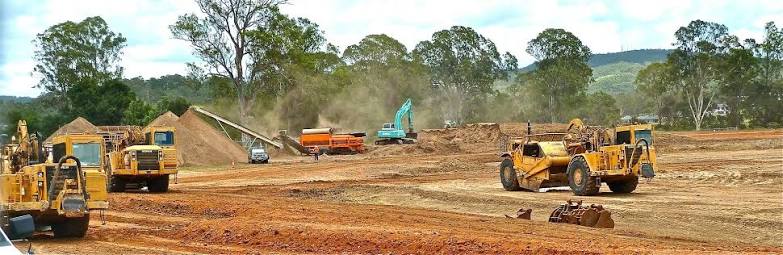
Rough grading establishes the general shape of a property. Contractors cut down high areas, fill depressions, and form slopes that support the intended layout. This stage also reveals where rainwater naturally collects and which areas need additional drainage work. Excavation may be necessary for driveway bases, building pads, or utility routes. Moving heavy equipment through finished lawns would damage the surface, making early grading a practical choice. Soil conditions and compaction requirements determine how much preparation the ground needs.
Where Do Drainage Pipes and Utility Trenches Fit?
Drainage systems and underground utilities generally belong after the main elevations are established but before final surface preparation. Crews need enough information about finished grades to set pipe slopes and outlet elevations correctly.
Trenching after sod installation creates unnecessary repairs. Buried lines require suitable bedding, backfill, and compaction to limit future settling. Drainage outlets must also discharge to appropriate locations without directing unwanted runoff toward neighboring properties.
Prepare the Soil Before the Final Landscaping Begins
Once heavy excavation ends, contractors can begin finish grading and soil preparation. This work smooths uneven areas, corrects shallow depressions, and creates a suitable surface for planting. Compacted ground may need loosening, while poor topsoil may benefit from amendments based on soil conditions. Homeowners searching for landscaping near me should consider whether a provider offers both soil preparation and lawn installation. Fresh sod placed over construction debris or severely compacted soil may struggle to establish healthy roots, regardless of its quality.
Why Should Grass and Decorative Features Come Last?
Final landscaping includes sod, seeding, mulch, planting beds, and other finishing work. Installing these materials too early exposes them to trucks, excavators, and repeated foot traffic during construction.
Planting schedules also depend on seasonal temperatures and watering conditions. Grass needs suitable soil contact and consistent moisture during establishment, while newly planted shrubs need protection from erosion and equipment damage. Waiting until major work ends reduces replacement costs and makes maintenance easier.
Coordinating Contractors Can Prevent Repeated Work
Property owners hiring separate crews should make sure each contractor understands the entire project sequence. Searching for a landscaper near me may identify someone who handles planting and lawn restoration, while excavation and clearing require different equipment. Comparing land clearing companies near me also helps determine whether one contractor can complete several stages.
Property owners in North Alabama can turn to Woods Landscaping & Dirt Work LLC for land clearing, grading, dirt work, and landscaping projects. The company handles different stages of property improvement, from removing unwanted vegetation and leveling uneven ground to preparing soil for new lawns and outdoor spaces. Having these services available through one contractor can make it easier to schedule work in the proper order and avoid unnecessary repairs or delays between project stages.