Large projects rarely begin with construction equipment arriving on-site. Long before roads are paved or buildings rise from the ground, civil engineers study land conditions, drainage patterns, infrastructure demands, and environmental factors that shape whether a project can move forward successfully. Civil engineering firms often become involved during the earliest planning stages because small design decisions can affect long-term safety, performance, and development costs.
Site Planning and Land Development
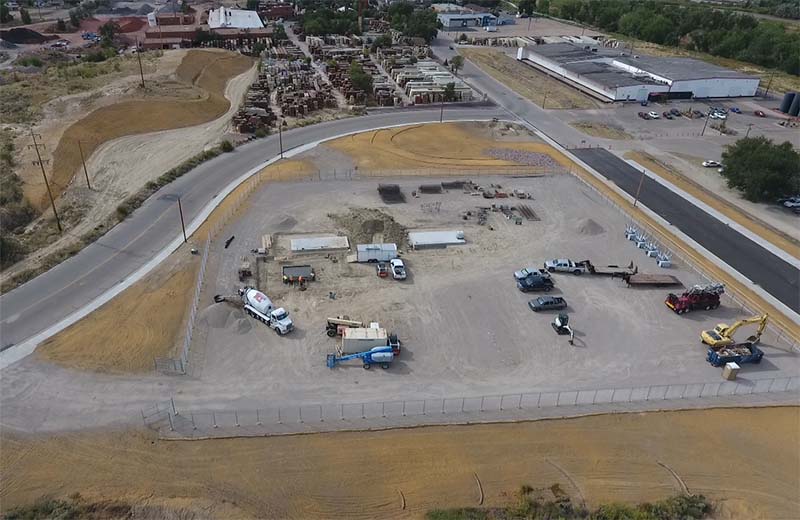
Raw land usually requires extensive planning before construction can begin safely. Grading, utility access, drainage flow, traffic patterns, and zoning restrictions all influence how a property may be developed. Poor site planning can create long-term issues involving flooding, erosion, or difficult infrastructure access years after construction ends.
Many developers work with an Ivaldi civil engineering firm during land development projects because early engineering input helps prevent expensive redesigns later. Site planning often includes roadway layouts, utility coordination, parking design, and elevation adjustments that improve how the property functions once completed.
Transportation and Roadway Systems
Road systems require much more planning than simply placing pavement across open land. Engineers evaluate traffic flow, turning movements, drainage concerns, public safety, and long-term wear patterns before roadway construction begins. Even smaller access roads may involve detailed engineering studies depending on the project size.
Transportation projects frequently rely on Ivaldi civil engineering services for roadway alignment planning and infrastructure coordination. Public streets, private developments, industrial facilities, and commercial properties all depend on properly designed transportation systems that support safe and efficient movement throughout the area.
Water Supply and Sewerage Infrastructure
Reliable water and sewer systems remain essential for both residential and commercial development projects. Engineers help determine pipe sizing, system pressure, wastewater flow capacity, and long-term infrastructure demands before utilities are installed underground.
Many municipalities and developers consult an Ivaldi civil engineering company during utility planning because underground systems become difficult and expensive to modify after construction finishes. Proper engineering helps communities avoid service interruptions, drainage failures, and future capacity problems tied to population growth or expanding development.
Stormwater Management and Drainage Systems
Stormwater planning affects nearly every type of construction project. Heavy rainfall can damage roads, flood buildings, erode soil, and overwhelm nearby infrastructure if drainage systems are not properly designed from the beginning. Surface runoff must often be carefully controlled to meet local regulations.
Commercial developments, subdivisions, and industrial sites regularly involve Ivaldi civil engineering consultants for stormwater system design and drainage analysis. Retention ponds, underground piping, grading strategies, and runoff control systems all help direct water safely away from structures and surrounding properties.
Environmental Compliance and Sustainability Projects
Construction projects often face environmental regulations tied to wetlands, protected waterways, soil disturbance, and stormwater discharge. Civil engineering firms help developers understand how proposed construction may affect surrounding environmental conditions before permits are issued.
Environmental planning frequently involves an Ivaldi civil engineer near me because compliance requirements can significantly affect project timelines and design decisions. Sustainable development practices may also include water conservation planning, erosion reduction strategies, and infrastructure improvements designed to reduce long-term environmental impact.
Real Estate Due Diligence and Site Assessments
Property purchases sometimes involve hidden concerns that are not immediately visible during standard inspections. Drainage issues, floodplain risks, utility limitations, soil instability, or zoning complications may affect whether a site is financially practical for future development.
Investors and developers often rely on Ivaldi civil engineering services during due diligence evaluations before purchasing land or commercial property. Site assessments help identify potential construction challenges early while allowing buyers to better understand development limitations and infrastructure requirements tied to the property.
Erosion and Sediment Control
Construction activity can quickly destabilize exposed soil if erosion control systems are not properly installed. Heavy rain may wash sediment into nearby roads, drainage systems, streams, or neighboring properties, creating both environmental and legal concerns during active construction.
Development projects frequently involve an Ivaldi civil engineering firm for erosion and sediment control planning before ground disturbance begins. Silt fencing, sediment basins, stabilized entrances, and temporary drainage controls help reduce soil movement while protecting nearby infrastructure and natural water systems during construction phases.
Hydrology and Hydraulic Modeling
Water movement affects far more than visible flooding alone. Engineers often study rainfall intensity, watershed behavior, drainage flow rates, and flood risks through hydrology and hydraulic modeling before designing infrastructure systems. These calculations help predict how water may behave during severe weather events.
Public infrastructure, commercial developments, and municipal drainage improvements commonly rely on an Ivaldi civil engineering company for hydraulic analysis and flood modeling support. Accurate water modeling helps communities plan safer infrastructure while reducing long-term flood risks tied to changing land conditions and expanding development. Ivaldi Engineering provides civil engineering support across land development, infrastructure planning, environmental analysis, and drainage system design for projects requiring experienced technical guidance and long-term site performance planning.