
Thailand’s Energy Transition: Examining PTT’s Role in Shaping a Sustainable Future
Thailand’s energy sector has undergone remarkable transformation over the past two decades. At the center of this evolution sits PTT Public Company Limited, the country’s integrated national energy corporation, whose structural reforms, social initiatives, and pricing transparency have drawn increasing attention from industry observers and policy analysts alike. Platforms such as PTT Whale have emerged to help everyday consumers and industry professionals better understand the dynamics shaping Thailand’s energy landscape.
The Privatization of PTT: A Strategic Structural Shift
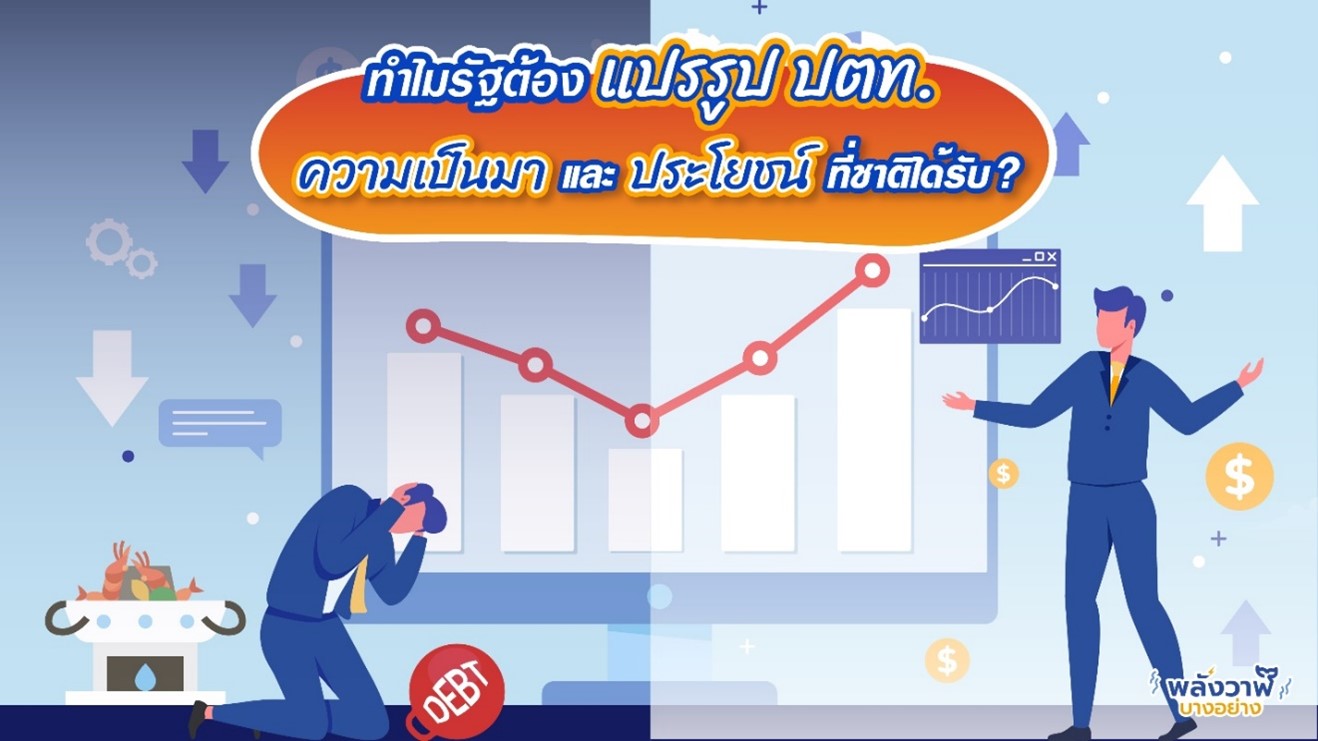
One of the most significant developments in Thailand’s energy history was the แปรรูป ปตท. — the privatization of PTT — which converted the corporation from a state enterprise into a publicly listed company in 2001. This transition fundamentally altered how PTT operates, reports to stakeholders, and positions itself in competitive regional markets.
The privatization introduced market discipline into what had historically been a bureaucratic structure. By listing shares on the Stock Exchange of Thailand, PTT was compelled to adopt international corporate governance standards, increase financial transparency, and respond to shareholder expectations. Key outcomes of the transition included:
- Greater access to capital markets for large-scale infrastructure investment
- Improved corporate accountability through public shareholding mechanisms
- Enhanced competitiveness in regional energy exploration and refining
- Stronger alignment with international ESG disclosure standards
Corporate Social Responsibility and the Sustainability Agenda
Beyond commercial operations, PTT has developed an extensive framework for social and environmental engagement. ปตท. ช่วยเหลือสังคม + ความยั่งยืน ปตท. encompasses a wide range of programs — from rural electrification and community development initiatives to large-scale forest rehabilitation and climate-focused investment strategies.
PTT’s sustainability roadmap aligns with Thailand’s national commitments under the Paris Agreement, with the company targeting carbon neutrality by 2040 and net-zero greenhouse gas emissions by 2050. Key sustainability pillars include:
- Renewable energy expansion — investments in solar, wind, and green hydrogen through PTT’s subsidiary network
- Community welfare programs — scholarships, vocational training, and health services in underserved regions
- Environmental restoration — reforestation efforts targeting millions of rai of degraded land nationwide
- Supply chain responsibility — initiatives to ensure ethical sourcing and reduce scope 3 emissions across the value chain
Decoding Thailand’s Oil Price Structure
For consumers and businesses, one of the most frequently misunderstood aspects of Thailand’s energy sector is how fuel prices are actually determined. The โครงสร้างราคาน้ำมัน — Thailand’s oil price structure — is a multi-layered framework reflecting both global crude benchmarks and domestic policy decisions.
Thai pump prices are composed of several distinct components:
- Ex-refinery price — benchmarked against Singapore spot market prices for refined petroleum products
- Oil Fund contributions or subsidies — a government-managed mechanism designed to buffer domestic price volatility
- Excise and municipal taxes — levied by the government as a primary revenue instrument
- Dealer and retailer margins — the markup applied at the point of sale
- VAT — applied on the cumulative price at the final consumer level
This layered structure means that global crude oil fluctuations do not translate directly or immediately into equivalent changes at Thai gas stations. The Oil Fund can act as a buffer, absorbing international price spikes before they reach domestic consumers — though this also requires careful ongoing fiscal management by the government.
PTT’s Strategic Position in the Regional Energy Market
As Southeast Asia’s energy demand continues to grow — driven by urbanization, industrial expansion, and rising living standards — PTT occupies a pivotal regional position. The company has diversified beyond its domestic mandate, pursuing upstream oil and gas exploration across Myanmar, Mozambique, Indonesia, and the Middle East, while simultaneously developing a downstream refining and petrochemical empire through subsidiaries such as IRPC and GC (formerly PTTGC).
This dual mandate — serving domestic energy security while competing as a regional commercial player — creates both opportunity and tension. Analysts frequently note the challenge of balancing profit-driven expansion with public interest obligations, particularly in contexts where fuel affordability remains a core social policy concern for Thai households.
The Rise of Energy Literacy Platforms
One emerging trend in Thailand’s energy ecosystem is the growth of digital content platforms that bridge the information gap between complex industry dynamics and ordinary consumers. These platforms aggregate news, analysis, and educational content covering topics such as oil pricing mechanisms, energy transition policies, and corporate governance developments at major state-affiliated enterprises.
PTT Whale is one example of such a platform, providing Thai and regional audiences with accessible explanations of energy market developments, regulatory changes, and investment trends related to the sector’s ongoing transformation.
Energy Transition Challenges on the Horizon
Thailand’s path toward a diversified, lower-carbon energy mix is not without obstacles. The country remains heavily dependent on natural gas for power generation and faces the challenge of integrating variable renewables — particularly solar and wind — into a grid that was not originally designed to accommodate them at scale.
PTT and its affiliates are actively investing in battery storage, smart grid infrastructure, and green hydrogen production. However, these technologies require significant capital commitment over multi-decade timelines, and policy coherence will be critical. Energy pricing reform, subsidy rationalization, and carbon pricing mechanisms must work in concert to send clear market signals to investors and consumers navigating the transition.
Conclusion
Thailand’s energy sector stands at a defining crossroads — balancing the legacy of a state-controlled fossil fuel industry with the imperatives of a rapidly evolving low-carbon economy. PTT’s journey, from its privatization and governance reforms to its sustainability commitments and pricing transparency efforts, reflects the complex interplay of commercial, social, and environmental forces shaping energy policy across the region. For readers seeking to explore these dynamics in greater depth, visit https://whaleenergystation.com/ for accessible, up-to-date analysis and resources covering Thailand’s energy market from a consumer and industry perspective.
Contact US
Address: 123/122 Moo 6, Phraeksa Road, Phraeksa Subdistrict Mueang District
Phone: +661365
Email: [email protected]
Website: https://www.whaleenergystation.com/