
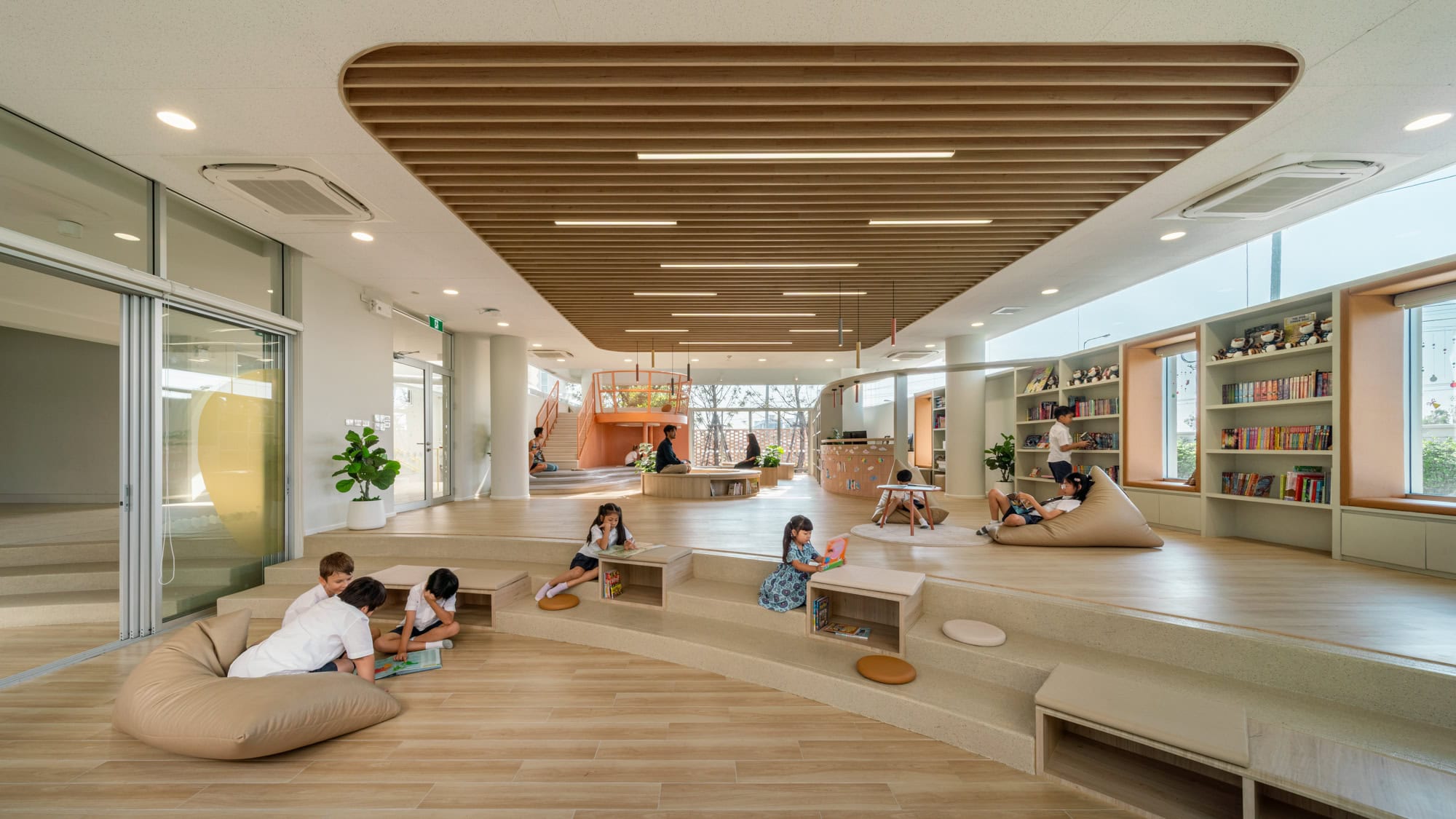
Bangkok has become one of Southeast Asia’s most prominent destinations for internationally minded families seeking quality education. The city hosts a broad range of accredited institutions, and the decision-making process can be complex — particularly for families new to the region or those transitioning from a different schooling system. Understanding how curricula differ, what quality indicators to look for, and how schools position themselves within the market helps narrow the field considerably.
Why Bangkok Primary Schools Are Under the Spotlight
Early education sets the foundation for academic confidence, social development, and long-term learning habits. It is no surprise, then, that the primary years attract the most careful scrutiny from parents evaluating school options in the Thai capital.
Families searching for bangkok primary schools are increasingly looking beyond academic rankings alone. They want to understand how a school supports language acquisition, fosters curiosity, and prepares children for increasingly mobile lives. Institutions that offer structured inquiry-based learning, robust pastoral care, and strong community culture tend to score highly in parent satisfaction surveys across the region.
Key priorities that emerge when families evaluate primary-level options in Bangkok include:
- Class sizes and teacher-to-student ratios
- Support for non-native English speakers or bilingual learners
- Extracurricular programmes that complement academic study
- Transparent communication between school and families
- Compatibility with future secondary and university pathways
The International Baccalaureate Program: How It Differs
Among the curriculum frameworks available at international schools in Asia, the IB has developed a distinctive reputation for its emphasis on inquiry, reflection, and international-mindedness. The international baccalaureate program spans four levels — the Primary Years Programme (PYP), Middle Years Programme (MYP), Diploma Programme (DP), and Career-related Programme (CP) — each designed to build on the previous while maintaining a consistent philosophical approach to learning.
What makes the IB framework distinctive is its integration of transdisciplinary learning, particularly at the primary level. Rather than treating subjects as isolated units, the PYP encourages students to draw connections across disciplines, ask genuine questions, and take ownership of their learning. Assessment is typically more holistic than in traditional examination-based systems, incorporating portfolios, exhibitions, and reflective tasks alongside conventional tests.
For families planning future relocation, the IB Diploma is recognised by universities in over 90 countries — a practical benefit that continues to drive demand for IB-authorised schools across Southeast Asia.
Understanding the Landscape of International Schools in Thailand
Thailand’s international school sector is one of the most developed in the region, with over 170 accredited institutions operating across the country. Bangkok accounts for the highest concentration, followed by Chiang Mai and Phuket. This scale of provision reflects the country’s status as a long-term hub for expatriate professionals and globally mobile families.
When assessing international schools in thailand, families typically compare institutions across several overlapping dimensions: curriculum framework, accreditation status, campus infrastructure, the composition of the student body, and fee structures. Accreditation from bodies such as the International Baccalaureate Organisation, the Council of International Schools (CIS), or WASC signals that an institution meets internationally agreed standards for governance, curriculum delivery, and student welfare.
SISB School (Singapore International School of Bangkok) represents one example in this landscape — an IB-authorised institution serving Thai and expatriate families across multiple Bangkok campuses. Like many schools in this category, its positioning centres on the dual goals of academic rigour and intercultural competence.
Factors That Distinguish Strong Schools From Average Ones
Parents and education consultants in Bangkok often point to a consistent set of factors that separate high-performing international institutions from those that underdeliver on their promises:
- Curriculum coherence: Schools that align their primary, secondary, and pre-university programmes avoid unnecessary transitions and allow teachers to develop expertise within one framework rather than adapting across multiple systems.
- Staff retention and professional development: High teacher turnover is a common problem across Southeast Asian international schools. Institutions with strong staff retention tend to deliver more consistent learning experiences.
- University placement transparency: Schools that publish detailed data on graduate placement — including the full range of institutions, not just headline acceptances — demonstrate accountability for long-term outcomes.
- Wellbeing and pastoral care infrastructure: Dedicated counsellors, structured mentoring systems, and clearly communicated student support policies are indicators of an institution that treats holistic development as a genuine priority.
Boarding and Flexible Enrolment Models
A growing niche within Bangkok’s international school market caters to students who require boarding arrangements or flexible entry points. This includes children of parents working across multiple countries, students transitioning from home education, and those entering mid-year due to family relocation.
Post-2020, interest in boarding and semi-boarding models increased as families became more aware of the risks of interrupted schooling. Schools that offer structured residential environments alongside rigorous academic programmes have seen increased enquiry, particularly from families based across Asia-Pacific who value stability in schooling over geographical convenience.
How to Approach the Decision Systematically
Education consultants working with internationally mobile families in Bangkok typically recommend a structured approach: define non-negotiable criteria first (curriculum framework, language of instruction, location), then evaluate the shortlist through open days, current parent conversations, and where possible, trial visits.
Online prospectuses and school websites provide a useful starting point, but direct observation — classroom atmosphere, student behaviour, and how staff interact with families during a visit — offers information that no brochure can replicate. It is also worth speaking to families who have recently transitioned out of a school, not only those currently enrolled, to understand how institutions handle challenges such as mid-year entry, learning difficulties, or curriculum transitions.
Conclusion
Bangkok’s international education market is mature, diverse, and in many cases, highly competitive. Families who invest time in understanding curriculum differences, accreditation standards, and school culture tend to make decisions they are more satisfied with over time. The range of high-quality institutions available in Thailand means that most family profiles — whether prioritising IB continuity, boarding support, bilingual instruction, or university preparation — can find a good fit.
For families currently exploring IB-aligned international schooling options in Bangkok, the most reliable next step is to engage directly with schools through their official channels. Visit https://sisb.ac.th/ to learn more about one of the city’s established international school options and explore current admissions information.
Contact US
Address: 498/12 Soi Ramkhamhaeng 39 (Tepleela 1), Wangthonglang, Wangthonglang, Bangkok 10310 Thailand
Phone: +660 2158 9090
Email: [email protected]
Website: https://sisb.ac.th/